Freelancer Visa
Self-Employed vizesi - Saudi Arabia

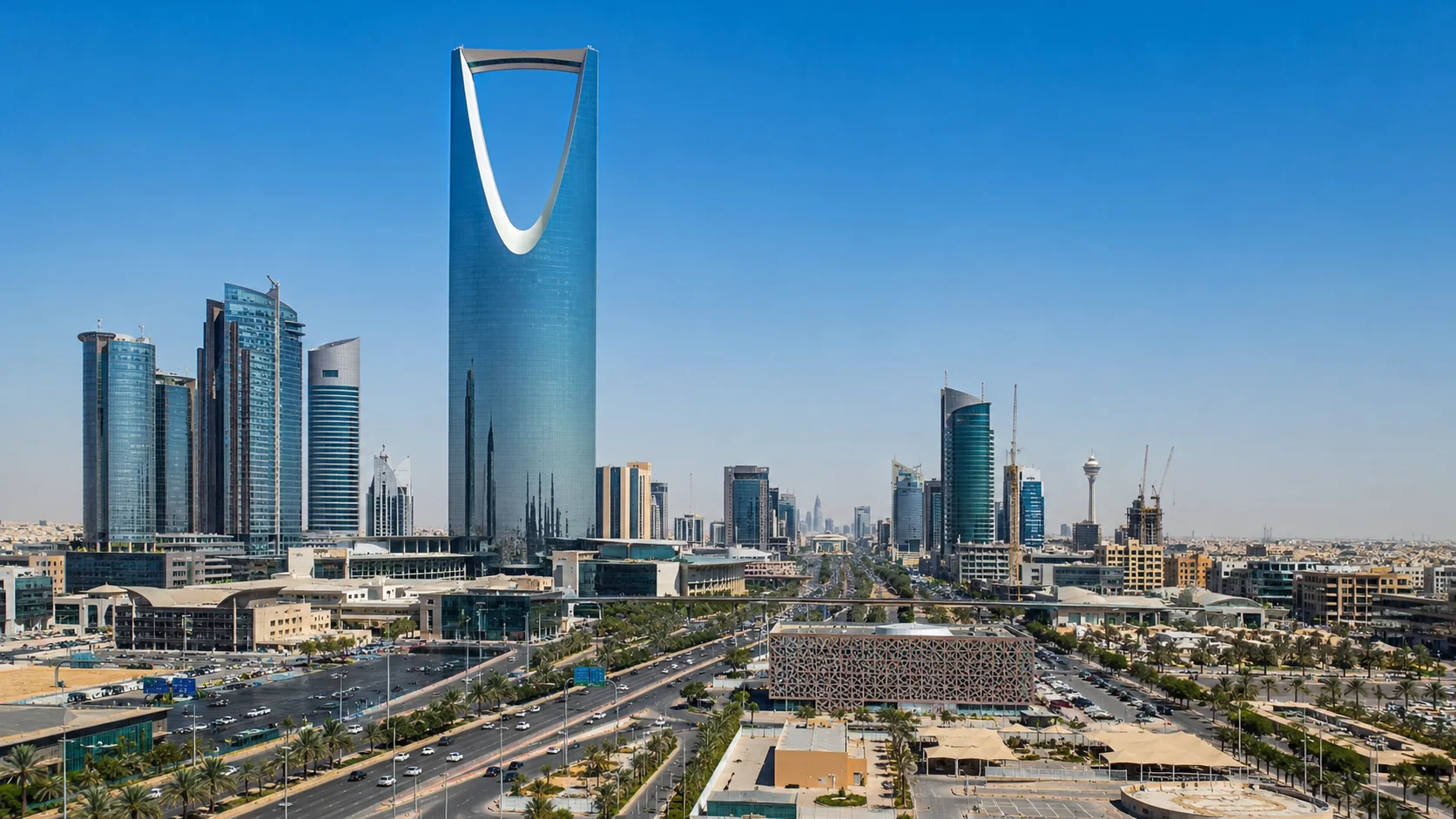
The Saudi Freelancer Visa is a relatively new addition under Vision 2030, allowing self-employed professionals to work independently in Saudi Arabia without an employer sponsor. It's available for qualifying fields including technology, consulting, creative services, media, and certain professional services.
The visa is granted for 1 year and is renewable. It represents a significant departure from the traditional Saudi employment model where all workers needed an employer sponsor. The Freelancer Visa allows you to take on multiple clients, work on project-based contracts, and operate more like an independent contractor.
Yaygın gereksinimler
İş teklifi gerekmez
Önceden ayarlanmış bir iş olmadan başvurabilirsiniz.
Bu vize yalnızca Saudi Arabia ülkesinde mevcuttur.
Saudi Arabia vize rehberini gör →Kendi ülkenizden başvurun
Tam gereksinimleri ve işlem sürelerini görmek için uyruğunuzu seçin.
🇸🇦 Saudi Arabia ülkesindeki diğer vizeler
visaEditorial.about
The Saudi Arabia Freelancer Visa supports the kingdom's growing self-employment economy, allowing individuals to work independently rather than under a single corporate sponsor. It is closely tied to the freelance documentation issued through Saudi government platforms - notably the freelance certificate from the Ministry of Human Resources and Social Development - which formally recognises an individual as a self-employed professional.
This route is part of Vision 2030, the kingdom's strategy to diversify the economy beyond oil, expand the private sector and open new forms of work to both Saudis and foreign residents. For eligible foreign nationals, freelance recognition allows legal independent work in approved fields such as technology, digital media, design, consulting, training and creative services. It differs sharply from the standard employment visa: instead of an employer holding your Iqama and controlling your status, the freelance framework lets you contract with multiple clients and invoice independently. The exact residence mechanics for foreign freelancers are governed by current MHRSD and immigration rules, which have evolved quickly, so applicants should always confirm the latest pathway - but the direction of policy clearly favours expanding legitimate self-employment in Saudi Arabia.
visaEditorial.eligibility
Freelance recognition is available for work in approved professional categories - among them IT and software, digital marketing, content creation, design, photography, consulting, translation and training. You must select an activity from the official list and be qualified or experienced in it.
For foreign nationals, eligibility to freelance is closely linked to your residence status: holding a valid Iqama, or qualifying under a route that permits self-employment, generally underpins the ability to obtain freelance documentation. A valid passport, a clean record and proof of competence in your chosen field are expected. Saudi nationals and certain resident categories access the freelance certificate most directly. Because rules for foreign freelancers continue to evolve under Vision 2030 reforms, you should verify the current MHRSD and immigration eligibility criteria for your specific nationality and residence status before applying.
visaEditorial.applicationProcess
Step 1: Confirm your residence status supports freelance work and choose your professional activity from the official approved list on the MHRSD freelance platform.
Step 2: Create an account on the relevant government platform and register your details, selecting the freelance activity that matches your skills.
Step 3: Provide identity documents, proof of qualifications or relevant experience, and any portfolio evidence the platform requests.
Step 4: Submit the application for the freelance certificate and pay any applicable fee.
Step 5: Once issued, the freelance certificate formally recognises you as self-employed, allowing you to contract with clients and issue invoices in your approved field.
Step 6: Use the certificate to operate legally, register for any required tax or commercial obligations, and renew it before expiry. Because residence and freelance recognition interact, foreign applicants should confirm with MHRSD and immigration how their Iqama or visa status aligns with freelance activity before relying on this route.
visaEditorial.costs
The freelance certificate itself is low-cost or free for eligible individuals through the MHRSD platform, which is part of its appeal under Vision 2030. The larger costs for foreign freelancers relate to residence: maintaining a valid Iqama carries annual fees, and dependents of expatriates are subject to the annual family levy. Freelancers may also need to register for tax obligations and, depending on activity and turnover, account for VAT. Budget for professional indemnity or health insurance, document attestation if qualifications were earned abroad, and any platform or renewal fees.
visaEditorial.processing
Issuing the freelance certificate through the MHRSD platform is generally quick - often a matter of days once your activity is selected and supporting documents are accepted. The longer and more variable element for foreign nationals is the underlying residence status: aligning an Iqama or visa with self-employment can take additional time and depends on current immigration rules. Delays usually come from documentation that does not clearly evidence competence in the chosen activity, or from uncertainty over how a particular residence category interacts with freelance work.
visaEditorial.afterArrival
Once you hold a freelance certificate, you can legally offer services in your approved field, contract with multiple clients and invoice independently - a significant shift from the employer-controlled standard visa. Use it to formalise client agreements and to demonstrate legitimate self-employment.
Keep your underlying residence status valid, since freelance recognition does not by itself replace a lawful Iqama or visa for foreign nationals. Register for and meet any tax obligations, including VAT where it applies, and keep clear records of income and invoices. Maintain health insurance, which is expected of residents. Track the freelance certificate's expiry and renew it on time, and monitor MHRSD announcements, as the rules around foreign self-employment in Saudi Arabia continue to develop under Vision 2030.
💡 visaEditorial.proTip Before counting on the freelancer route, confirm directly with MHRSD and immigration how your specific Iqama or visa status permits self-employment. Freelance recognition and residence are separate things, and assuming one covers the other is the common mistake.
visaEditorial.relatedTools
lead.heading
lead.description