Professional Card
Self-Employed vizesi - Belgium

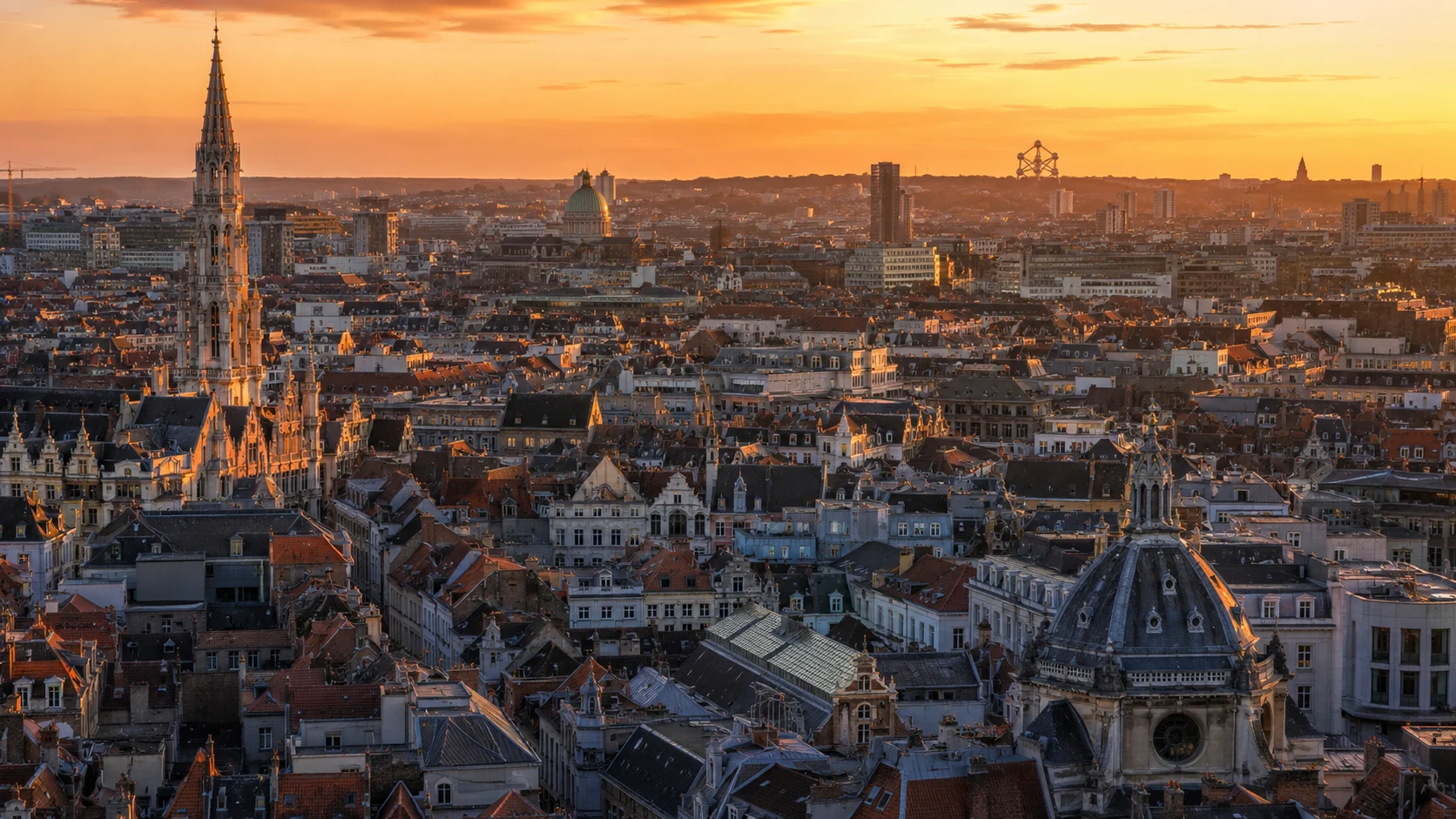
The Professional Card (Carte Professionnelle in French, Beroepskaart in Dutch) is Belgium's authorization for non-EU nationals who wish to engage in self-employed or freelance activities. This includes entrepreneurs starting a business, independent consultants, freelancers, and professionals practicing a regulated profession. The Professional Card is managed by the regional authorities, so the application process and evaluation criteria can vary between Brussels, Wallonia, and Flanders.
To obtain a Professional Card, you must submit a detailed business plan demonstrating the viability and economic benefit of your proposed activity to Belgium. The regional authority evaluates whether your project will create added value for the Belgian economy — factors considered include job creation potential, investment amount, innovation, and your professional qualifications and experience. There is no fixed minimum investment amount, but you must show that your activity will be sustainable and will not rely on social assistance.
Yaygın gereksinimler
İş teklifi gerekmez
Önceden ayarlanmış bir iş olmadan başvurabilirsiniz.
Bu vize yalnızca Belgium ülkesinde mevcuttur.
Belgium vize rehberini gör →Kendi ülkenizden başvurun
Tam gereksinimleri ve işlem sürelerini görmek için uyruğunuzu seçin.
🇧🇪 Belgium ülkesindeki diğer vizeler
visaEditorial.about
The Professional Card (carte professionnelle / beroepskaart) is Belgium's authorisation for non-EU nationals who wish to work in Belgium as self-employed persons rather than as employees. Where the Single Permit covers salaried employment, the Professional Card is the route for entrepreneurs, freelancers, independent consultants, company directors and others carrying on an independent economic activity.
Belgium is a federal state, and economic migration is a regional competence: the Professional Card is issued by the relevant region - Flanders, Wallonia or the Brussels-Capital Region - depending on where the activity will be based. Each region assesses applications against its own criteria, but the common test is whether the proposed self-employed activity serves the economic interest of the region, considering factors such as the business plan, expected investment, job creation and the applicant's qualifications and experience.
In 2026 the Professional Card remains the key instrument for non-EU founders and independents establishing businesses in Belgium. A successful applicant obtains both the Professional Card and, in tandem, a residence permit, allowing them to live in Belgium and run their independent activity.
visaEditorial.eligibility
The Professional Card is for non-EU/EEA nationals intending to pursue a genuine self-employed activity in Belgium - running a business, freelancing or acting as a company director. EU/EEA and Swiss nationals do not need one.
The core test is economic merit. The competent region evaluates whether the activity is of economic, cultural, social, artistic or sporting interest, normally weighing a detailed business plan, the viability and funding of the venture, projected turnover and any jobs the business will create. Applicants must show relevant professional qualifications and experience for the activity, demonstrate adequate financial means to launch and sustain the business, and satisfy any sector-specific authorisations or professional-competence requirements that Belgian law imposes for the chosen activity. A clean background and compliance with Belgian commercial law are expected.
visaEditorial.applicationProcess
Step one: define the self-employed activity and prepare a thorough business plan covering the concept, funding, projected finances and any expected job creation.
Step two: determine the competent region - Flanders, Wallonia or Brussels-Capital - based on where the activity will be carried out, as each region runs its own procedure.
Step three: lodge the Professional Card application either at the Belgian diplomatic mission in your country of residence or, where applicable, through the regional economic-migration authority or a recognised business counter (guichet d'entreprises).
Step four: submit supporting documents - passport, the business plan, proof of qualifications and experience, evidence of financial means, and any sector-specific authorisations.
Step five: the region assesses the economic-interest criteria and decides whether to grant the Professional Card.
Step six: once the Professional Card is approved, apply for the accompanying long-stay visa and residence permit so you can live in Belgium.
Step seven: on arrival, register with the local municipality, enrol in a social-insurance fund for the self-employed and complete business registration.
visaEditorial.costs
The Professional Card itself carries a fee - an application charge and an issuance fee that together commonly amount to a few hundred euros, with the issuance fee paid per year of validity granted. Add the long-stay visa fee and the federal administrative contribution for the residence-permit application. Budget for certified translations of diplomas and business documents, professional-qualification recognition where required, and the cost of preparing a credible business plan, which applicants often commission professionally. Once operating, factor in mandatory self-employed social-security contributions, business registration costs and accountancy fees, alongside Brussels-area living and premises costs.
visaEditorial.processing
Processing times for the Professional Card vary by region, as Flanders, Wallonia and Brussels each manage their own caseloads, but a decision commonly takes a few months from a complete submission. The regional authority's assessment of the business plan and economic-interest criteria is the substantive stage and the main variable. A weak or under-evidenced business plan is the leading cause of refusal or delay. Once the card is granted, the subsequent visa and residence-permit steps add further time, so applicants should plan the overall timeline generously before intending to launch the activity.
visaEditorial.afterArrival
After arriving in Belgium you must register at the municipal administration (commune / gemeente) of your place of residence, which records you in the population register and arranges your residence-permit card; the local police may verify your address.
As a self-employed person you must affiliate with a social-insurance fund for the self-employed and begin paying social-security contributions, which fund healthcare, pension and family benefits. Register your business with a recognised enterprise counter to obtain a company number, and register for VAT if your activity requires it. Join a health-insurance fund (mutuelle / ziekenfonds) for healthcare cover. Open a Belgian business bank account and arrange accountancy support, as Belgian bookkeeping and tax obligations are detailed. Keeping the activity genuine and compliant matters for renewing the Professional Card.
💡 visaEditorial.proTip Invest in a rigorous, evidence-backed business plan with realistic financials and clear regional economic benefit - it is the single document the region weighs most heavily, and a thin plan is the most common reason a Professional Card is refused.
visaEditorial.relatedTools
lead.heading
lead.description