
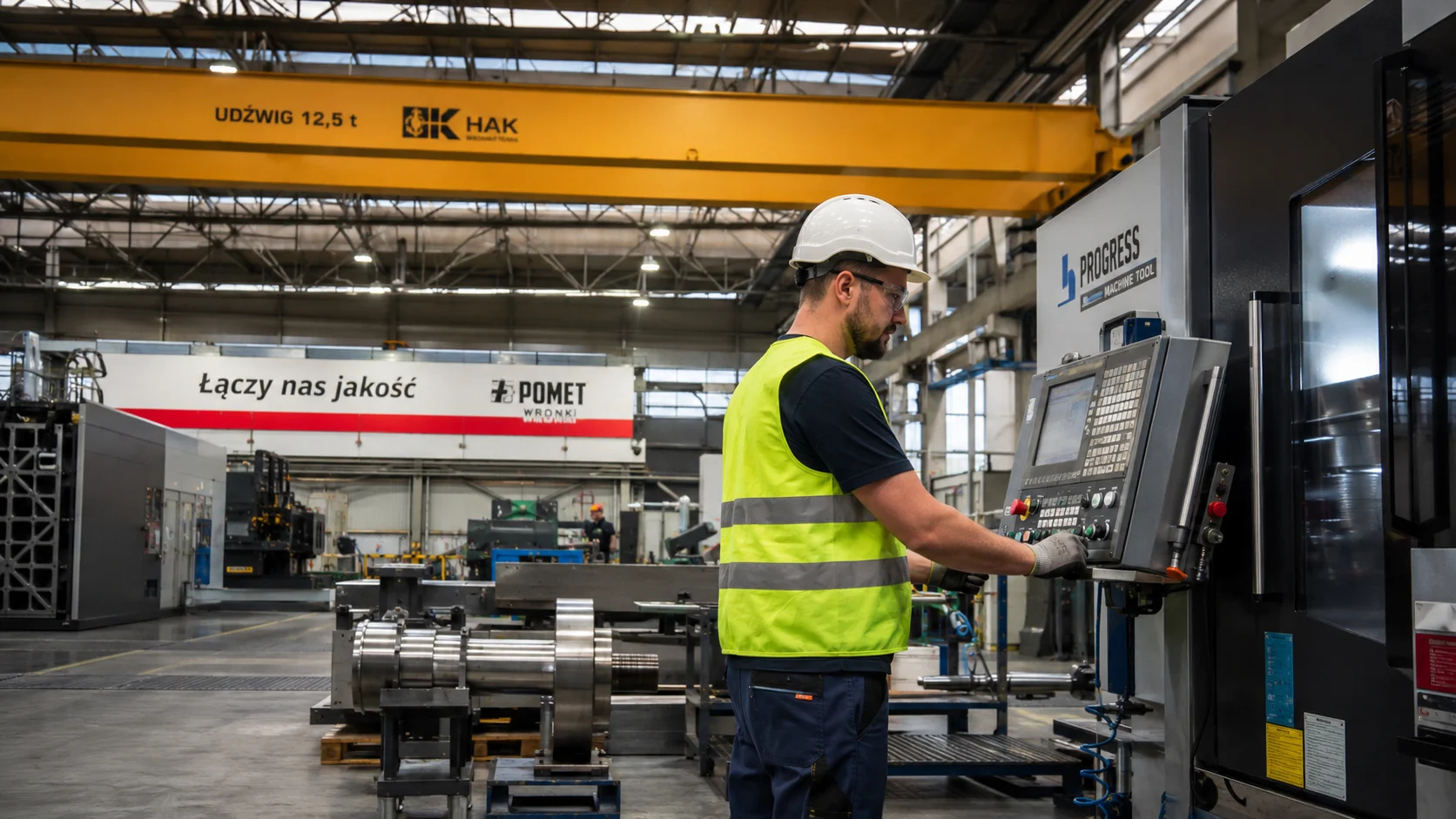
Why Poland doesn't require a degree
Poland faces an acute labour shortage. Approximately 800,000 vacancies are currently open across construction, manufacturing, logistics, agriculture, healthcare, and trades - and the country's demographic shrinkage means the gap widens every year. Polish employers can't fill these roles from the local workforce, and EU mobility (Romanians, Spaniards, Bulgarians) hasn't covered the shortfall. As a result, Poland's legal framework was built around accepting skilled non-EU workers WITHOUT requiring university degrees.
The Type A work permit - used by 90% of all foreign workers in Poland - has no education requirement. The Polish employer applies for the permit at the Voivodeship Office. You provide a passport, contract, basic biographical data. No degree certificate. No transcript. No professional certification (unless required by the specific job, like a CDL for trucking or NMC registration for nursing).
Compare this to Poland's EU neighbours. Germany's primary skilled-worker pathway (the EU Blue Card) requires a recognised university degree OR 5 years of equivalent IT experience - meaning unskilled trades workers cannot use it. Germany's general work visa for non-degree holders is harder to obtain and has lower employer interest. The UK Skilled Worker visa requires both a degree-equivalent qualification AND a salary above £38,700 (US$50,400). Spain's Highly Qualified Professional visa requires a degree. The Netherlands' Highly Skilled Migrant requires a qualified employer plus salary thresholds well above unskilled-worker pay. Poland is genuinely the EU outlier - and that's why 1.1 million non-EU workers already work there.
Jobs available without a degree
| Job type | PLN/mo gross | ₦/mo (Nigeria) | ₹/mo (India) | Demand level |
|---|---|---|---|---|
| Factory operator | 5,500-7,500 | ₦2.2M-3M | ₹123K-168K | Very high |
| Construction labourer | 5,500-7,500 | ₦2.2M-3M | ₹123K-168K | Very high |
| Welder (TIG/MIG) | 8,000-12,500 | ₦3.2M-5M | ₹179K-279K | Extreme |
| Truck driver (CE) | 7,000-10,000 | ₦2.8M-4M | ₹156K-223K | Extreme |
| Meat processing worker | 5,500-7,000 | ₦2.2M-2.8M | ₹123K-156K | Very high |
| Agricultural worker (Type S, seasonal) | 5,100-6,500 | ₦2.04M-2.6M | ₹114K-145K | High (May-Oct) |
| Cleaner / janitor | 5,100-6,000 | ₦2.04M-2.4M | ₹114K-134K | High |
| Electrician (qualified) | 8,000-12,000 | ₦3.2M-4.8M | ₹179K-268K | Extreme |
| CNC operator | 7,500-11,000 | ₦3M-4.4M | ₹167K-246K | Very high |
| Warehouse worker (Amazon/DHL) | 5,500-7,500 | ₦2.2M-3M | ₹123K-168K | Very high |
| Plumber | 7,500-11,000 | ₦3M-4.4M | ₹167K-246K | Very high |
| Carer / elderly care assistant | 5,500-7,500 | ₦2.2M-3M | ₹123K-168K | High |
All of these roles are accessible on a Type A work permit with no degree required. Welders, electricians, plumbers, and CDL truck drivers earn the highest pay in this category - Polish trades shortages are particularly severe, and skilled tradespeople command salaries close to entry-level IT pay.
Welders (especially TIG/MIG) and CNC operators consistently earn 30-50% above the Polish minimum wage and are in such acute shortage that many Polish employers offer sign-on bonuses (PLN 2,000-5,000 after probation), subsidised dormitory accommodation (PLN 100-400/month vs PLN 2,000+ market rent), free transport between dormitory and worksite, and full overtime at 150% of base rate. The reason: Polish shipyards in Gdańsk, automotive plants in Tychy and Poznań, and metal-fabrication sites across Silesia cannot find enough qualified Polish trades workers to meet 2026 production demand, and they compete directly with German and Czech employers for the same Eastern European and African talent pool.
CE-licensed truck drivers and registered nurses sit in the next tier of acute demand. Polish hauliers run a large share of EU long-distance freight and chronically need CE-licensed drivers - base salary PLN 7,000-10,000/month plus per-diem allowances of €30-50/day on international routes often pushes total monthly earnings to PLN 12,000-14,000. Polish hospitals actively recruit foreign-trained nurses through the Ministry of Health bridging programme; pay starts at PLN 7,500/month and rises to PLN 12,000+ for ICU and surgical specialisations. For workers willing to invest in trade certifications (welding certificates, CE driving conversion, NMC nursing registration), the salary jump from PLN 5,500 minimum-wage factory work to PLN 8,000-12,000+ skilled-trade work usually takes 6-18 months and pays back the certification cost many times over.
How to find no-degree jobs in Poland
- Pracuj.pl - the largest Polish job board. Filter by "Bez znajomości języka polskiego" (without Polish language) for English-speaking roles.
- OLX Praca (praca.olx.pl) - general listings dominated by blue-collar, factory, construction, and warehouse jobs.
- EURES (eures.europa.eu) - official EU jobs portal. Polish employers post here specifically to attract non-EU workers.
- LinkedIn Poland - best for IT, but increasing trades and warehouse listings since 2025.
- Vetted recruitment agencies - Worksol (Warsaw), Gremi Personal (Warsaw), EWL (multiple cities), Jobsora, AdeccoPoland. These agencies are KRAZ-licensed and recruit specifically from West Africa, South Asia, and Southeast Asia.
- Direct employer applications - Amazon Poland (Wrocław, Poznań, Gliwice), Volkswagen Poznań, Toyota Wałbrzych all have direct foreign-worker recruitment programmes.
Read the main Poland Work Visa Guide for the full scam-detection checklist.
The application process - no-degree route
The application sequence is identical to the standard Type A work permit process - see the full step-by-step guide. The key difference: you do NOT submit any educational certificates, transcripts, or degree attestations.
Streamlined documents for no-degree applicants:
- Valid passport (6+ months validity)
- Signed Polish employment contract (sent by employer)
- Work permit copy (issued by Voivodeship Office, sent by employer)
- Type D visa application form (e-Konsulat)
- 2 passport-size photos (see photo guide)
- Health insurance (€40-80/year via Compensa, Allianz, AXA)
- Accommodation proof (employer-provided housing letter is most common for no-degree roles)
- Proof of financial means (PLN 776/month for first 3 months)
- Police clearance from home country
- Yellow fever certificate (Nigerians, Ghanaians)
- Trade certification (if required) - welding certificate, CDL/CE driving licence, electrician card, NMC nursing registration
For skilled trades, the most valuable certifications are: international welding certifications (IIW, EWE), CE-category European truck driving licence (Polish authorities will recognise foreign CE licences after a knowledge test), Polish or EU electrician's certification (SEP G1/G2/G3), and for healthcare workers, Polish Nursing Council (NIPiP) registration. None of these are degrees - they're trade-specific credentials.
Real costs - Africa/Asia to Poland
| Item | USD | Notes |
|---|---|---|
| Work permit (employer pays) | $25 | PLN 100 |
| Type D visa | $19 | PLN 80 |
| Karta Pobytu | $112 | PLN 440 |
| Polish police clearance translation | $15-25 | Notary + sworn translation |
| Home-country police clearance | $5-30 | Varies (Nigeria $30, India $20, Ghana $10) |
| Yellow fever vaccination | $20-40 | Africa only |
| Passport photos | $5-15 | Visa-spec |
| Notarisation + apostille | $30-80 | Depends on country |
| Health insurance (1 year) | $50-80 | Compensa/Allianz/AXA |
| One-way flight to Warsaw | $400-800 | From Lagos/Delhi/Manila |
| First month rent + deposit | $200-600 | If not employer-provided |
| Total | $850-1,600 | Single applicant, no agent |
If your Polish employer provides accommodation (very common for factory, construction, warehouse, and trucking jobs), the total drops to about US$850-1,200. For comparison, an unregulated Gulf placement frequently costs US$500-2,000 in agency fees alone, plus all the same medical, document, and flight costs - and Polish wages are 3-5× higher.
Can you upgrade later?
Yes - and this is the strategic argument for choosing Poland over the Gulf or short-term contracts. The standard progression for a non-degree foreign worker:
- Years 0-3: Type A work permit, factory or trades role, PLN 5,500-8,000/month.
- Years 1-3: Build skills, complete Polish-language certifications (B1 within 2 years), invest in trade certifications (welding upgrades, CE driving, SEP electrical, etc.).
- Years 3-5: Upgrade to higher-pay role - supervisor, lead technician, or specialist trades pay PLN 8,000-15,000/month.
- Year 5: Apply for Karta Stałego Pobytu (permanent residence) - or year 2 if you have Polish B1.
- Years 5-8: Optional: pursue Polish IT bootcamp or trade upskilling, then qualify for EU Blue Card. Transfer to Germany, Netherlands, or Austria for higher salaries while retaining EU long-term residency.
- Year 8: Apply for Polish citizenship by naturalisation. Poland allows dual citizenship - you do NOT need to renounce home citizenship.
This is the Polish "ladder" that doesn't exist in Gulf migration: a factory worker in Warsaw can realistically progress to a Polish citizen in 8 years and a German-employed Blue Card holder in 6, while a factory worker in Doha is on a 2-year renewable contract with zero settlement path.
Concrete Blue Card upgrade path from a Type A factory job
The realistic non-degree-to-Blue-Card progression for a Polish factory or trades worker: years 0-2, work on Type A at PLN 5,500-8,000/month while studying Polish to A2-B1 level (free municipal classes) and pursuing trade certifications (welding upgrades, CE driving, SEP electrical certificates). Year 2-3, upgrade to a higher-pay role - supervisor, lead technician, specialist welder - pushing salary to PLN 10,800+/month. At that salary you qualify for the Polish EU Blue Card (which has the lowest salary threshold in the EU). Year 3-4.5, hold the Polish Blue Card for the 18-month residency requirement. Year 4.5+, transfer to Germany or the Netherlands via the EU Blue Card portability rules - your Polish residence period counts toward German PR. In Germany on a Blue Card with B1 German, PR is achievable in 15 more months - putting you on track for German PR roughly 6 years after first landing in Poland with zero qualifications.
Karta Pobytu → Polish PR → EU-wide rights timeline
If you stay in Poland rather than transferring to Germany, the citizenship-focused path is: year 0, arrive on Type D visa, receive Karta Pobytu (temporary residence card) within 3 months. Years 0-3, renew Karta Pobytu at 3-year intervals. Year 5 (or year 2 with Polish B1 certification), apply for Karta Stałego Pobytu (Permanent Residence Card) - eliminates further work permits. Year 5 also unlocks the EU Long-Term Residence Card if you prefer cross-EU mobility. Year 8 total, apply for Polish citizenship by naturalisation: requires 8 years residence, Polish B1+, integration, clean record. Poland allows dual citizenship - you keep your home passport AND gain a Polish (EU) passport that grants visa-free travel to 184 countries and free movement across all 27 EU member states.
What African and Asian workers say about no-degree Poland jobs
Common themes from worker community reports across 2024-2026:
- Polish winters are the biggest culture shock - invest in a quality coat (PLN 400-800), boots, and thermals before your first November.
- Overtime culture is strong in manufacturing and trucking - many workers earn 20-30% above base wages through legal overtime, raising net take-home to PLN 7,000-11,000/month for factory work.
- Employer-provided accommodation (very common) typically means shared dormitory rooms - 2-4 workers per room with shared kitchen and bathroom. Quality varies dramatically by employer; ask to see photos before signing.
- Polish food is meat-heavy and lacks spice by African/South Asian standards. Build a network of African (Warsaw Praga) and Asian (Kraków Kazimierz) grocery stores within your first month.
- English usage in trades and factory work is limited - you'll need basic Polish for daily life, transit, doctor visits, and dealing with utility companies. Free municipal Polish classes are widely available.
- Diaspora support: the Nigerian, Indian, Vietnamese, and Filipino communities in Warsaw and Kraków run informal WhatsApp groups and Facebook communities that newcomers can join for housing tips, employer reviews, and emergency help.
Weather preparation for the first Polish winter
For African, Filipino, Indian, and Bangladeshi workers arriving from year-round 25-35°C climates, the first November-March in Poland is genuinely brutal without proper preparation. Polish winters routinely hit -10 to -15°C in January-February with sustained snow cover. Essential first-winter shopping list, with realistic Polish prices: a quality insulated winter coat (PLN 500-1,000 at CCC, Reserved, or 4F sports stores; cheaper at Lidl winter promos), waterproof insulated boots rated to -15°C (PLN 300-600), thermal base-layer underwear (PLN 100-200 for a full set at Decathlon), warm hat and gloves (PLN 100-150), a thick scarf (PLN 50-100), and woollen socks (PLN 50-100 for several pairs). Total: roughly PLN 1,100-2,150 - recoverable in a single month's overtime. Polish indoor heating is excellent (most apartments and dormitories hold 22-24°C), so the cold primarily affects your morning commute and weekend errands. Vitamin D supplementation through winter is recommended for non-European skin tones; widely available at Polish pharmacies for PLN 20-40/month.
Language tips: learning Polish without paying for classes
Polish is harder than German or Spanish for English speakers (7 noun cases, gendered nouns, consonant clusters), but you don't need to master it before arriving - you need enough to handle daily life and workplace safety within the first 3-6 months. Free resources that actually work: Duolingo Polish (free, 15 minutes/day, covers basics in 6 months), 50languages.com (free vocab + audio for travel and work scenarios), and the Polish municipal integration centres that most major cities run - Warsaw, Kraków, Wrocław, Gdańsk, and Poznań all offer free or PLN 50-200 Polish-for-foreigners courses. Many Polish employers also include language orientation in their onboarding for newly arrived foreign workers - ask whether your specific employer offers Polish lessons during work hours. The minimum survival vocabulary (numbers, food orders, transit, basic workplace commands, medical) is achievable in 3-4 months of casual study; conversational A2 in 6-9 months; B1 (which fast-tracks PR from 5 years to 2) in 12-18 months.
Community networks for African and Asian workers
Warsaw's Praga district has the densest concentration of African grocery stores (Tropikana, African Food Market, African Spice) selling palm oil, plantain, yam, suya spice, jollof rice ingredients, dried catfish, and Nigerian-brand foods like Maggi cubes and Indomie. Kraków's Kazimierz district has Indian and Bangladeshi grocers. Vietnamese, Korean, and Filipino restaurants and grocery shops are common across Warsaw, Kraków, Wrocław, and Poznań. The Filipino community in Poland (approximately 4,000-6,000) runs an active Filipino Workers' Network on Facebook with chapters in Warsaw and Kraków providing newcomer orientation, housing referrals, and emergency support. The Nigerian, Ghanaian, and Indian communities each have similar WhatsApp groups and Facebook communities - within 1-2 weeks of arrival, most workers connect to at least one community group that handles practical questions like apartment hunting, doctor recommendations, and SIM card setup. Pentecostal English-language church services (Redeemed Christian Church of God, Winners Chapel) operate in most major cities for African workers; Hindu temples and Sikh gurdwaras in Warsaw and Kraków for South Asian workers; Catholic Filipino chaplaincies in Warsaw.
Preguntas frecuentes
Can I really get a Polish work visa without any degree?
Yes. The Type A work permit (90% of all foreign worker visas in Poland) has NO education requirement. You need a Polish employer who applies for your permit at the Voivodeship Office, plus the standard supporting documents. No degree, no transcript, no diploma needed. The only exception is the EU Blue Card pathway (for highly qualified workers earning PLN 10,800+/month), which does require a degree or 5 years of equivalent IT experience.
What's the highest-paying no-degree job in Poland?
Skilled trades - particularly TIG/MIG welders (PLN 8,000-12,500/month), CE-licensed truck drivers (PLN 7,000-10,000), qualified electricians (PLN 8,000-12,000), and CNC operators (PLN 7,500-11,000). With overtime, all four categories can reach PLN 11,000-15,000/month. These are dramatically higher than minimum wage and competitive with mid-tier IT pay in Poland.
Do I need to speak Polish for a no-degree job?
Helpful but not always mandatory. For factory, warehouse, and construction jobs at Amazon Wrocław, Toyota Wałbrzych, Volkswagen Poznań, etc., the working language is often Polish - basic survival Polish is needed within 3-6 months. For trucking on EU long-haul routes, basic Polish plus English works. For Warsaw and Kraków hospitality and customer-facing roles, Polish is essential. Free municipal Polish classes for foreigners are widely available - invest 6-12 months in B1 to unlock both better jobs and faster permanent residency.
Does Amazon Poland hire foreign workers without degrees?
Yes - Amazon operates large fulfilment centres in Wrocław, Poznań, Sady, Bielany Wrocławskie, and Gliwice, and actively hires non-EU warehouse workers. The pay is PLN 5,500-7,000/month gross. Apply via Amazon's Polish careers portal or through KRAZ-licensed recruitment agencies. The work is physically demanding (10-12 hour shifts, lots of walking and lifting) but the employer is reliable on contracts, pay, and accommodation.
Can I work as a truck driver in Poland without an EU licence?
You'll need to convert your home-country CDL/heavy-vehicle licence to a Polish CE category licence. Polish authorities recognise foreign CE licences after a written knowledge test and (sometimes) a practical examination, typically within 2-3 months of arrival. Polish trucking employers often help workers through this conversion process. Pay is PLN 7,000-10,000/month base plus generous diem (daily allowance) on EU long-haul routes - total monthly earnings frequently exceed PLN 12,000.
What's the difference between Type A and Type S permits?
Type A is the standard year-round work permit for any sector - manufacturing, construction, services, IT, healthcare, etc. Type S is specifically for seasonal agricultural work (May-October), capped at 9 months per year, and used mostly for fruit and vegetable harvesting in central and western Poland. Type S is the cheapest and fastest pathway but doesn't lead to permanent residency. Most African and Asian workers use Type A.
How much can I save in Poland working without a degree?
A factory worker earning PLN 6,500/month gross (PLN 4,700 net) with employer-provided dormitory housing can save approximately PLN 2,500-3,500/month after personal expenses - about NPR 290,000-410,000/month or ₦1.0M-1.4M/month in remittance. Over a 3-year Polish contract, that's PLN 90,000-126,000 saved (US$22,500-31,500). Welders, electricians, and truck drivers save substantially more.
Can I bring my family to Poland on a Type A work permit?
Yes. After you receive your Karta Pobytu (typically 3-6 months after arrival), your spouse and minor children can apply for family-reunification residence permits. Spouses have full work rights in Poland with no separate work permit. Family permit processing is typically 2-4 months. Many no-degree foreign workers bring family to Poland after their second year, once they have stable employment and housing.
Artículos relacionados
Use nuestras herramientas gratuitas
Calculadoras gratuitas para CRS Canadá, puntos Australia, Skilled Worker UK, Tarjeta de Oportunidad Alemania y umbrales salariales de 34 países.
Ver todas las herramientas